How Mold Remediation Helps Protect Your Home After Water Damage
Mold starts growing when moisture stays inside a home for too long. Water damage from leaks, floods, or burst pipes creates the perfect condition for mold. It only needs moisture, oxygen, and a surface to grow.
Within 24 to 48 hours, mold can begin to spread. It moves fast in damp and dark areas. This is why Mold Remediation After Water Damage becomes important right away.
If water is not removed quickly, mold spreads deeper into materials. It can reach drywall, wood, and insulation. As a result, the damage becomes harder to control over time.
Common Places Mold Grows Inside the Home
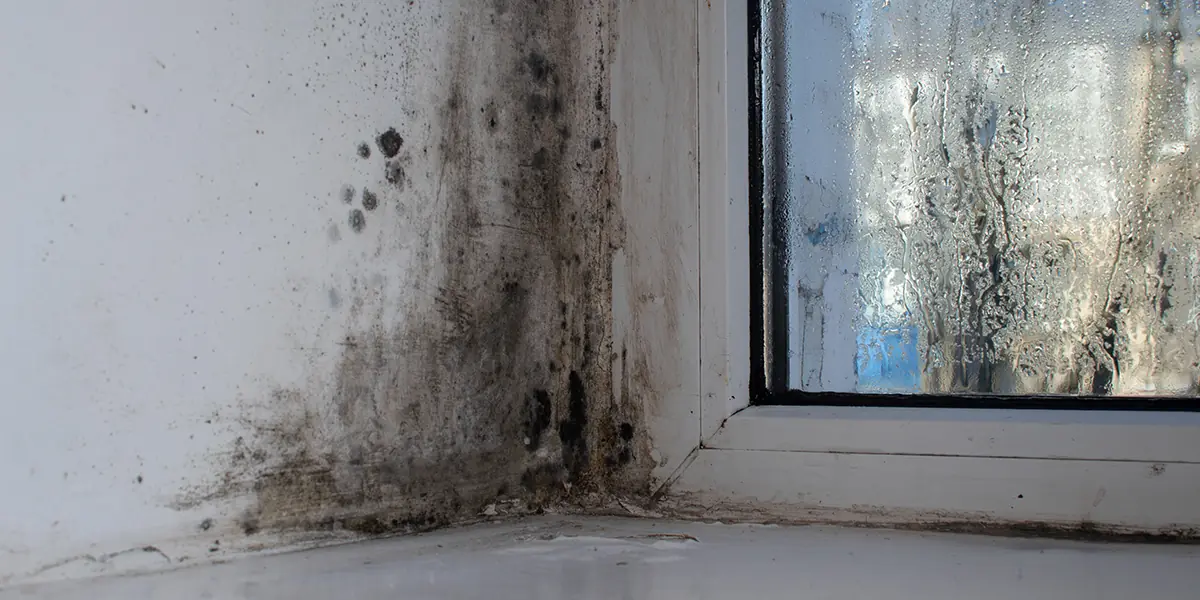
Mold does not always grow in visible areas. It often hides in spaces you do not check daily. Bathrooms are a common spot because of constant moisture. Kitchens also face risks from sinks and pipes.
Basements are another major problem area. They stay cool and damp, which helps mold grow faster. Attics can also trap moisture from roof leaks.
In addition, mold often grows behind walls and under floors. Air ducts can spread spores throughout the home. That is why Mold Remediation After Water Damage must cover the entire property, not just visible areas.
Signs You May Need Mold Remediation
There are clear warning signs you should never ignore. A strong musty smell is often the first clue. You may also see dark spots on walls or ceilings.
Allergy symptoms can increase inside the home. These may include sneezing, coughing, or irritation. Sometimes, paint starts bubbling, or wallpaper begins peeling.
In many cases, mold stays hidden. You may not see it, but you will notice the effects. That is when Mold Remediation After Water Damage becomes necessary for safety and protection.
Why DIY Mold Cleanup Is Often Not Enough
Many homeowners try to clean mold on their own. They may use bleach or basic cleaners. However, this only removes surface mold. It does not solve the root problem.
Mold spreads through tiny spores. These spores move into walls and air systems. Without proper equipment, they are hard to remove completely.
DIY cleaning can also disturb mold. This releases more spores into the air. As a result, the problem often returns quickly. At Restore and More, our Mold Remediation After Water Damage process focuses on full removal, not just surface cleaning, ensuring the source is properly treated, and the risk of regrowth is reduced.
The Mold Remediation Process from Inspection to Removal
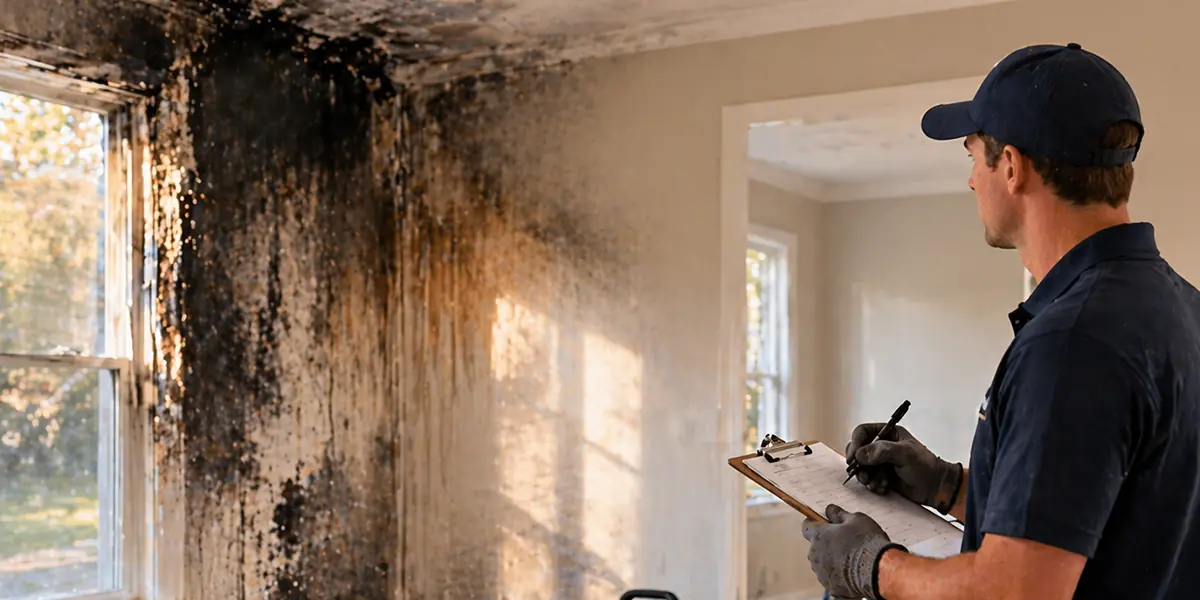
The process starts with a full inspection. Experts look for moisture sources and hidden mold. They use tools to detect damp areas inside walls and floors.
Next comes containment. This step stops mold from spreading to clean areas. After that, professionals remove damaged materials when needed.
Then, they clean and treat surfaces. Special equipment removes spores from the air. Air scrubbers and dehumidifiers help dry the space.
Finally, the area is restored and checked again. This complete approach makes Mold Remediation After Water Damage more effective and long-lasting.
How Remediation Helps Protect Indoor Air Quality and Property Value
Mold affects the air you breathe. Poor air quality can cause health problems over time. These include allergies and breathing issues.
Proper Mold Remediation After Water Damage removes harmful spores from the air. It improves indoor air quality and creates a safer home.
Mold also lowers property value. Buyers avoid homes with past damage issues. Clean and treated homes maintain better value in the market.
That is why Mold Remediation is not just cleaning. It is also protection for health and investment.
Tips for Preventing Mold from Returning
Prevention is important after cleanup. Always fix water leaks quickly. Even small leaks can lead to mold growth.
Keep humidity levels low inside your home. Use fans and dehumidifiers in wet areas. Make sure bathrooms and kitchens stay well ventilated.
Check hidden areas often. Look under sinks and behind furniture. Early action helps stop mold before it spreads.
If water damage happens again, act fast. Quick Mold Remediation reduces the risk of long-term problems.
Conclusion
Mold is a serious problem after water damage. It spreads quickly and affects both health and property. Simple cleaning is not enough to remove it fully.
Professional help ensures complete removal and long-term protection. It also improves air quality and prevents future issues. At Restore and More, we focus on thorough Mold Remediation After Water Damage to address the source, not just the visible growth.
Choosing expert Mold Remediation After Water Damage services helps keep your home safe, clean, and valuable. Acting early always saves time and money.